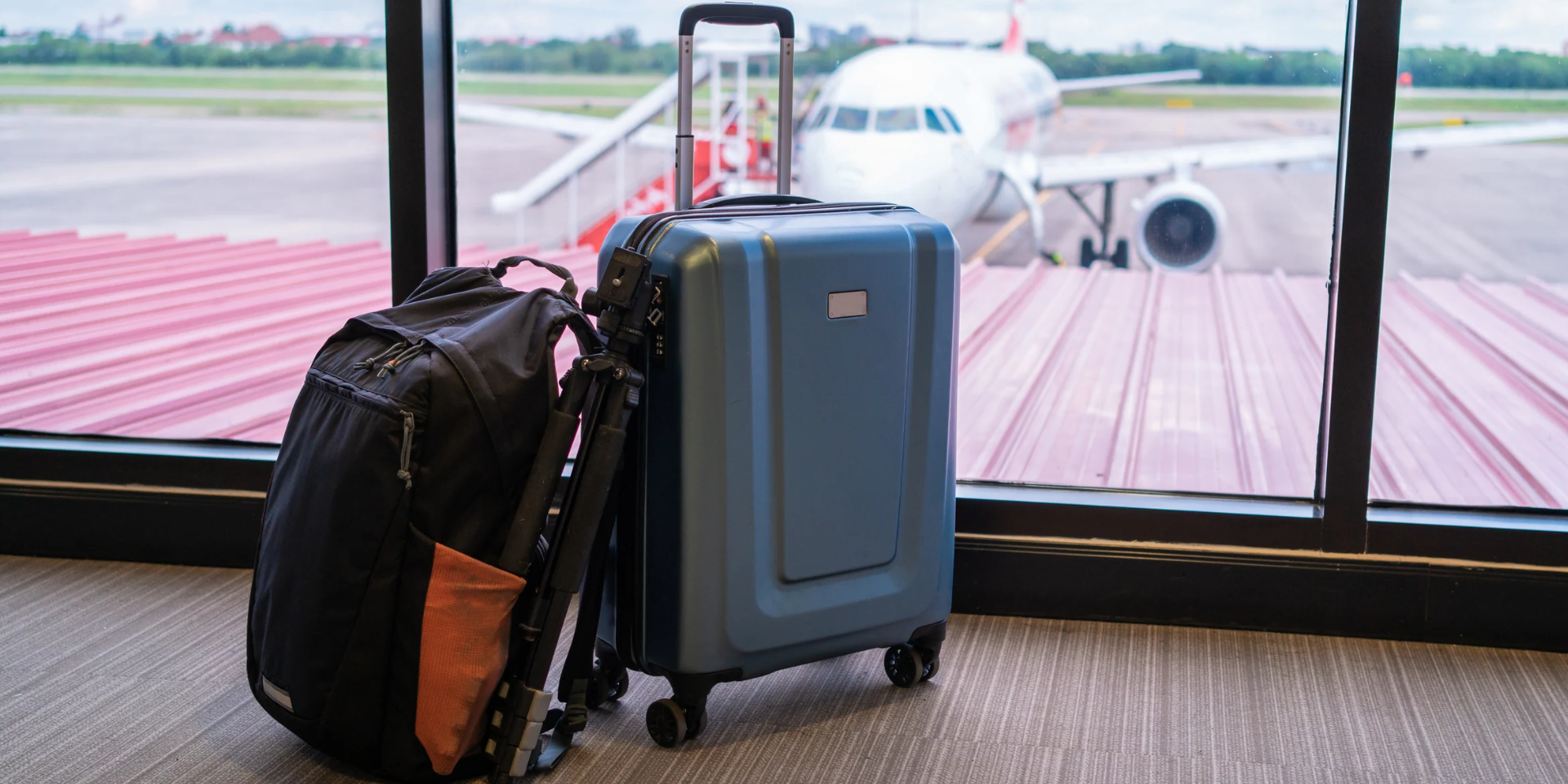
If you are waiting on an employer-sponsored visa and plan to travel overseas, the way the Department of Home Affairs assesses your Bridging Visa B (BVB) is about to change.
From Monday 30 November 2026, newly lodged BVB applications linked to employer-sponsored visa applications will be assessed more closely. Travel periods will generally be shorter, and applicants will need to clearly explain, and in many cases support with evidence, why they need to travel.
Here is what is changing, who is affected and how to prepare.
What Is a Bridging Visa B?
A Bridging visa A (BVA) keeps you lawful in Australia while your substantive visa application is being processed, but it does not allow you to travel. If you leave Australia on a BVA, it ceases, and you may not be able to return while your application is still being decided.
A BVB solves this problem. It includes a travel facility: a set period during which you can leave and re-enter Australia while your substantive visa application remains undecided.
What Is Changing from 30 November 2026?
The Department advised the migration industry in early November 2026 that it will change how it assesses newly lodged BVB applications associated with employer-sponsored visa applications. Importantly, the law itself is not changing. The Department will apply the existing legal and policy requirements more closely.
Under clause 020.212 of Schedule 2 to the Migration Regulations 1994, a BVB can only be granted if the decision-maker is satisfied that the applicant’s reasons for wishing to leave and re-enter Australia are substantial. That requirement has always existed, but from 30 November it will be applied with more scrutiny.
In practice, this means:
- Shorter travel periods. Travel facilities will generally be granted for shorter periods that reflect the stated reason for travel, the planned travel dates and the applicant’s individual circumstances, rather than lengthy periods as a matter of course.
- Clear travel reasons. Applicants must explain the purpose, timing and duration of their travel.
- Supporting evidence. Relevant evidence showing substantial reasons for travel may be required. A general statement about a holiday or visiting family may not be enough on its own.
The Department has said the change is intended to focus more of its processing effort on substantive visa and nomination decisions.
Who Is Affected?
The change applies to newly lodged BVB applications by people (and their family members) who have a pending employer-sponsored visa application, including:
- Skills in Demand (subclass 482) visa
- Employer Nomination Scheme (subclass 186) visa
- Skilled Employer Sponsored Regional (Provisional) (subclass 494) visa
Separately, from 1 November 2026, applicants for a Protection visa can no longer make a valid BVB application. That is a different change made by regulation and is not covered in this article.
How Does This Compare with Recent Practice?
| Issue | BVB lodged before 30 November 2026 | BVB lodged from 30 November 2026 |
| Travel facility length | Processed in line with recent practice, which often meant lengthy travel periods | Generally shorter, matched to the purpose and dates of travel |
| Reason for travel | Assessed under recent practice | Must be explained clearly and shown to be substantial |
| Supporting evidence | Not required unless the Department asks | May be required, especially for holiday or family visit reasons |
| Flight bookings | Not required | Not required |
What Counts as a Substantial Reason for Travel?
Each case turns on its facts, but the stronger and more specific your reason, the better. Examples of reasons and the type of evidence that can help include:
| Reason for travel | Helpful supporting evidence |
| Seriously ill family member | Medical letter or report, proof of relationship |
| Wedding, funeral or birth in the family | Invitation, death notice or other confirmation, proof of relationship |
| Work travel for your sponsoring employer | Letter from the employer explaining the business need for the trip |
| Personal affairs overseas (property, legal matters) | Correspondence, court or tribunal notices, property documents |
| Returning home after a long absence | Explanation of time away and current family circumstances |
A simple statement such as ‘holiday’ or ‘visiting family’ is unlikely to be enough on its own. Explain who you are visiting, why and why now.
When should I apply, and should I book flights?
- The Department recommends lodging a BVB application no less than 2 weeks and no more than 3 months before your planned travel.
- You do not need to buy flights to show that you intend to travel.
- Avoid non-refundable bookings until your BVB is granted. If it is delayed, refused or granted for a shorter period than you need, you may lose money.
- Allow for possible delays, particularly around the Christmas and New Year period.
- Budget for the application fee. The BVB base application charge increased to $575 from 1 July 2026.
What Happens to BVB Applications Lodged Before 30 November?
BVB applications lodged before 30 November 2026 will continue to be processed in line with recent practice. You do not need to provide additional information unless the Department asks for it.
If you are planning genuine travel in the coming months and are within the recommended lodgement window, it may be worth discussing with an adviser whether to lodge before 30 November. Lodging earlier does not guarantee a longer travel facility.
What Should Employers Do?
- Ask sponsored employees with pending 482, 186 or 494 applications to flag overseas travel plans early.
- Provide a clear letter explaining the business need where travel is work-related.
- Build possible BVB processing delays into project timelines and leave approvals.
- Remind employees not to leave Australia without a valid BVB in place.
Action Steps Before You Travel
- Confirm which bridging visa you currently hold and whether it allows travel.
- Write a clear, specific explanation of the purpose, timing and duration of your trip.
- Gather supporting evidence that matches your reason for travel.
- Lodge within the recommended window of 2 weeks to 3 months before departure.
- Wait for the grant before booking non-refundable travel, and check the travel facility end date before you leave.
How Can SALIA Lawyers & Associates Help?
At SALIA Lawyers & Associates, we help employer-sponsored visa applicants and their employers prepare well-evidenced Bridging Visa B applications, plan travel around processing times and avoid costly mistakes. If you have travel coming up while your 482, 186 or 494 application is pending, speak with us early.
Visit salia.com.au or email hello@salia.com.au to book a consultation.
Frequently Asked Questions
Has the law changed?
No. The legal requirement that reasons for travel be substantial already exists. What is changing is how closely the Department applies it to BVB applications linked to employer-sponsored visas.
Will a holiday ever be accepted as a reason?
Possibly, but a general holiday or family visit reason may not be sufficient on its own. Specific circumstances and supporting evidence will carry more weight.
I already hold a BVB. Is it affected?
An existing BVB is not cancelled by this change. However, if you need to travel after your current travel facility ends, any new BVB application lodged from 30 November 2026 will be assessed under the new approach.
What if I leave Australia without a BVB?
If you leave while holding a Bridging visa A, it ceases, and you may not be able to return on it while your employer-sponsored application is still being decided. Always confirm your travel permission before departing.
Disclaimer: Please note that the information provided is intended as a general guide and should not be relied upon as legal or migration advice. As migration laws and regulations can change, we recommend consulting an Australian Lawyer or Registered Migration Agent for advice tailored to your circumstances.